
How Myofascial Release Helps Hand and Wrist Pain
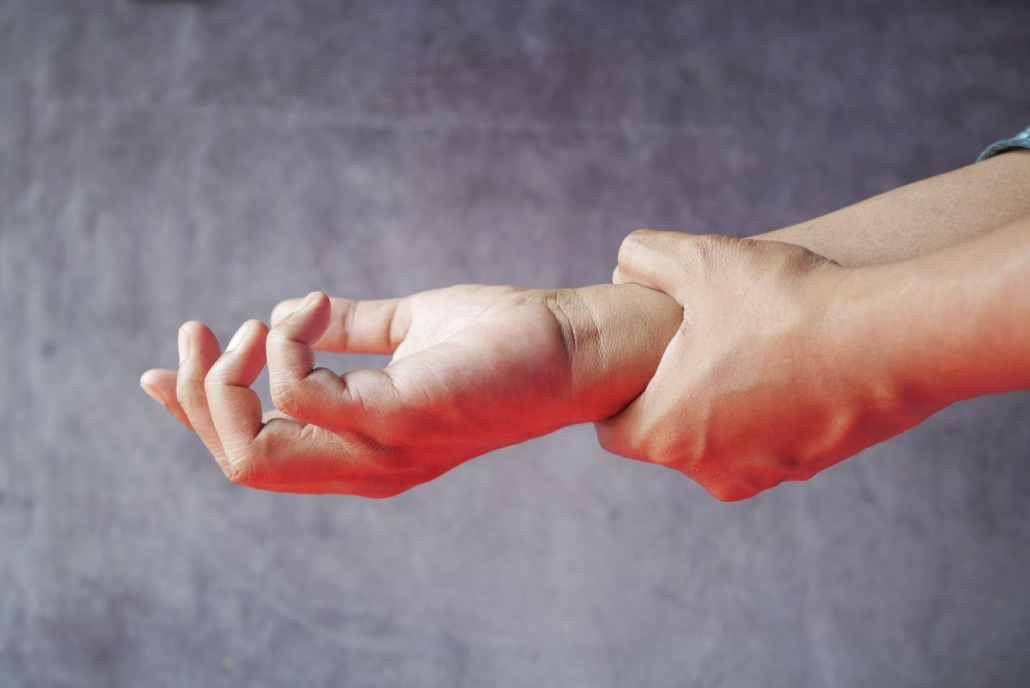
Myofascial release helps hand and wrist pain by gently loosening tight, restricted fascia, which is the connective tissue that wraps your muscles, tendons, and nerves, so blood flows better, movement eases, and pressure on irritated structures lets up. At Coastal Therapeutics in Mt. Pleasant and Charleston, our occupational therapists use this hands-on technique as part of a broader plan to relieve pain and restore the fine motor function you rely on every day.
[Contact us for Occupational Therapy]
What Is Myofascial Release, and How Does It Work?
Fascia is a thin, tough web of connective tissue that runs throughout your body, including your hands, wrists, and forearms. When it becomes tight or restricted, from injury, overuse, surgery, or years of repetitive movement, it can pull on surrounding tissue and create pain, stiffness, and limited motion. Myofascial release is a manual technique in which your therapist applies slow, sustained pressure to those restricted areas to release the tension and improve the mobility of the soft tissue around injured joints. It’s non-invasive, drug-free, and doesn’t rely on lotions or fast rubbing — just patient, targeted pressure that lets the tissue lengthen and relax.
Why Does Myofascial Release Help Hand and Wrist Pain?
Hands and wrists are dense with small muscles, tendons, and nerves packed into a tight space, so even minor fascial restrictions can have an outsized effect on comfort and function. By freeing up those restrictions, myofascial release can reduce pain, calm the tension that compresses nearby nerves, improve circulation to speed healing, and restore the range of motion needed for gripping, pinching, and fine tasks. For many patients it also makes the exercises and strengthening in their therapy plan more effective and less painful.
What Hand and Wrist Conditions Can Myofascial Release Help With?
Myofascial release is rarely used alone. Instead it’s one tool your therapist combines with exercise, splinting, and other treatments. It can be especially helpful for:
- Repetitive strain and overuse: tightness and pain from typing, tools, or repeated gripping, common in workers and hobbyists alike.
- Post-surgical scar tissue: restrictions that develop after procedures such as a finger tendon repair, where restoring smooth tissue glide is critical.
- Nerve-compression symptoms: tension that contributes to tingling or aching, including the kind of forearm and wrist tightness seen with carpal tunnel syndrome.
- Arthritis-related stiffness: tight soft tissue around achy, inflamed joints in the fingers, thumb, and wrist.
- General wrist and forearm tightness: that limits motion and makes everyday tasks uncomfortable.
What Does a Myofascial Release Session at Coastal Therapeutics Feel Like?
The technique is gentle and slow and not the deep, aggressive pressure people sometimes expect. Your therapist locates the restricted tissue and holds steady, light-to-moderate pressure until it begins to release, which can take a few minutes per area. Most people find it relaxing. Plan on about 45 minutes to an hour for your initial visit, and arrive 10 to 15 minutes early to complete paperwork (or fill it out ahead of time through our online patient portal). Treatment typically starts the same day.
How Does Myofascial Release Fit Different People’s Needs?
Because hand and wrist pain shows up differently from person to person, treatment is always individualized:
- The tradesperson or desk worker: relief from repetitive-strain tightness, paired with ergonomic changes to prevent it from returning.
- The active retiree: looser, more comfortable hands for gardening, golf, pickleball, and time with grandchildren.
- The post-surgical patient: scar and tissue mobility work to protect the repair and rebuild smooth motion.
- The coastal-lifestyle enthusiast: easing the wrist and forearm strain that comes with kayaking, paddleboarding, fishing, crabbing, and handling gear on the water.
Do You Need a Referral for Myofascial Release in South Carolina?
As Mt. Pleasant’s locally owned physical and occupational therapy center, we can often begin treating you without waiting on a physician referral, in fact, South Carolina’s direct-access rules let us provide up to 30 days of treatment without one. The important caveat is coverage as your insurance company may not pay for treatment unless there is a physician recommendation for therapy services. Most major plans, including Medicare and workers’ compensation, cover medically necessary therapy, but details vary, so it’s worth a quick call to your insurer before your first visit — and our front desk is glad to help.
Why Choose Coastal Therapeutics for Hand and Wrist Pain in Mt. Pleasant?
With over 30 years serving Mt. Pleasant and the Charleston area, Coastal Therapeutics pairs hands-on techniques like myofascial release with the expertise of Certified Hand Therapists (CHTs) who specialize in the hand and upper extremity. Because we offer occupational therapy and physical therapy from one location, your care stays coordinated from start to finish. Our office is on Long Point Road, less than a minute from the I-526 Lowcountry Corridor.
Ready to Get Relief from Hand or Wrist Pain?
You don’t have to push through daily pain. To get started with myofascial release therapy in Mt. Pleasant, schedule an evaluation with Coastal Therapeutics or call (843) 884-4783. We’ll build a plan around your hands, your goals, and your life in the Lowcountry.
[Contact us for Occupational Therapy]
Frequently Asked Questions About Myofascial Release for Hand and Wrist Pain
Does myofascial release hurt?
It shouldn’t. The technique uses slow, sustained, gentle pressure rather than deep or forceful massage. You may feel a mild stretch or tenderness as tight tissue releases, but most people find the sessions relaxing.
How many sessions will I need?
It depends on your condition and goals. Myofascial release is typically part of a larger therapy plan, and many patients notice improvement within a few sessions, with more lasting gains built over several weeks alongside exercise and other treatments.
Is myofascial release the same as a massage?
They’re related but not identical. Massage generally works on muscles for relaxation, while myofascial release specifically targets restrictions in the fascia to restore mobility and reduce pain — and, in a therapy setting, it’s tied directly to your functional goals.
Can it help carpal tunnel or arthritis pain in my hands?
It can be part of the plan. Releasing tight forearm and wrist tissue may ease the tension associated with nerve-compression symptoms, and loosening soft tissue around arthritic joints can improve comfort and motion. Your therapist will determine whether it’s right for your specific situation.
Do I need a referral, and will insurance cover it?
South Carolina’s direct-access rules often let us start without a referral, and we can treat for up to 30 days without one — but many insurance plans require a physician recommendation to pay for therapy. Call your insurer to confirm coverage and visit limits, and our team can help you sort out the details.
This article is for general educational purposes and is not a substitute for personalized medical advice. Please consult a qualified provider about your specific condition.
 570 Long Point Road Suite 270
Mount Pleasant, SC 29464
(843) 884-4783
Opening Hours
M - F: 8:00 am - 5:30 pm
